Press PLAY to listen to this post.
Kids today are making a lot of decisions like what to wear, how to behave, how to keep up, how to fit in. Even seemingly small choices can pile up and feel overwhelming. Therapists have begun encouraging a “good enough” mindset as a way to ease this pressure, reminding us that not every decision has to be perfect to be effective.
This philosophy pairs beautifully with kids yoga and an ancient yogic principle called Santosha.
What Is Santosha?
Santosha is one of the core principles of yogic philosophy and translates to contentment. It teaches us to appreciate what is, rather than constantly striving for what’s next or what’s “better.” For children, Santosha helps shift the inner dialogue from “Is this perfect?” to “This is enough for now.”
In kids yoga, Santosha shows up when we tell children:
- “Your version of the pose is just right.”
- “Listening to your body is what matters most.”
- “Notice and wonder - get curious!”
These small messages build emotional resilience and self-trust over time.
The Power of “Good Enough”
When kids learn that good enough truly is enough, decision-making becomes lighter. They feel less pressure to please, perform, or perfect. In yoga, we practice this by offering choices like sit or lie down, move fast or slow, and supporting personal options.
This mindset also helps kids move past regret. Instead of replaying mistakes, yoga invites children to breathe, reset, and begin again. Each inhale becomes a fresh start. Each exhale, a letting go.
What About Big Feelings and Venting?
We often encourage kids (and adults!) to “get it out,” but research suggests that venting while emotions are high doesn’t always calm us down. In fact, it can intensify anger and frustration. When kids immediately relive a stressful moment without tools to regulate their bodies, their nervous systems can become even more activated.
Kids yoga offers another path:
- Pause before reacting
- Move the body to release excess energy
- Breathe to lower emotional intensity
- Reflect after calm is restored
Rather than suppressing feelings, yoga teaches children how to process emotions safely and effectively.
Yoga as a Practice of Enoughness
Through mindful movement, breath-work, and intention-setting, kids learn:
- It’s okay to slow down
- Feelings pass
- Perfection isn’t required
- Calm is something they can access on their own
Yoga doesn’t ask kids to be different, it invites them to be present.
In a world that often pushes children to do more and be more, kids yoga gently reminds them:
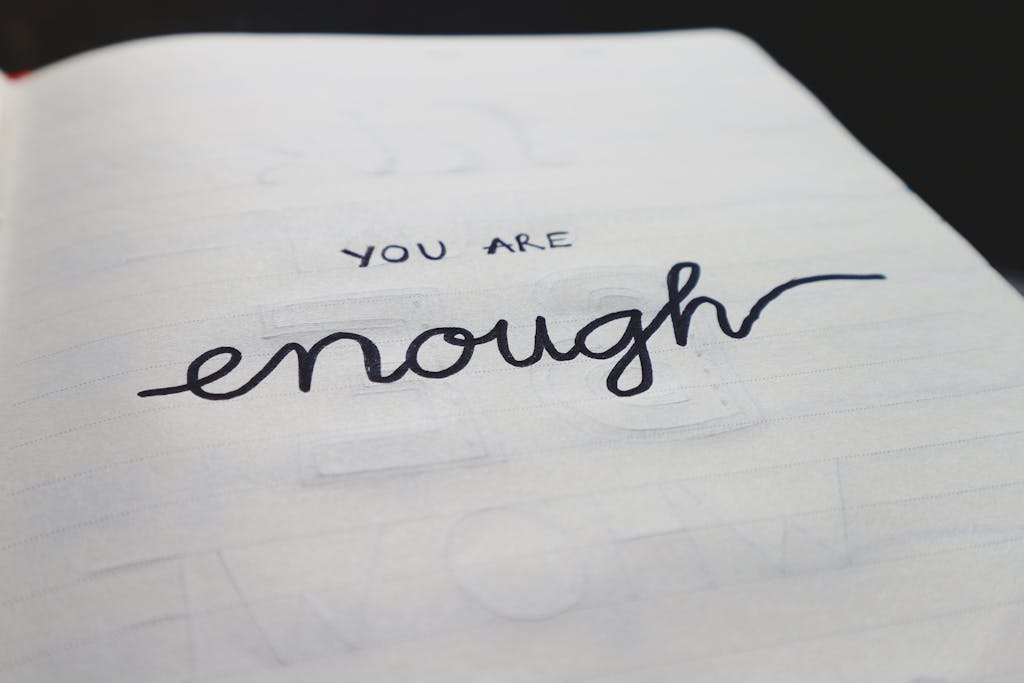
You are already enough. And this moment is good enough, too.