Presidents' Day invites us to reflect on leadership: past, present, and future. While history books highlight presidents and policies, leadership truly begins much earlier, in the everyday moments when children learn how to manage emotions, make choices, and treat others with respect.
Kids yoga helps cultivate the core leadership qualities children need to succeed in school and in life.
Through yoga and mindfulness, kids practice self-awareness, learning to notice their thoughts, feelings, and reactions. Great leaders understand themselves first. Yoga also builds self-regulation, giving children tools to pause, breathe, and respond thoughtfully rather than react impulsively.
Leadership isn’t just confidence, it’s empathy. Yoga encourages kindness, cooperation, and respect for others, helping children lead with compassion. Group poses and partner activities teach communication, teamwork, and trust—skills every effective leader relies on.
Finally, yoga builds resilience. When kids wobble, fall, and try again on the mat, they learn perseverance and problem-solving. These small moments of courage prepare them for bigger challenges ahead.
This Presidents' Day, let’s remember that strong nations are built by strong people—and strong people are nurtured early. Kids yoga plants the seeds of leadership by supporting calm minds, confident bodies, and open hearts.
Valentine’s Day is a time to celebrate love, but what does that look like when love feels unequal? Many families focus on hearts and candies, but the deeper lesson of Valentine’s Day might be about fairness, connection, and presence with every child.
Recent research reveals that parental favoritism, whether intentional or not, is surprisingly common in families and can have real emotional consequences. Studies show that children often detect differences in how they are treated compared with their siblings, and those perceptions matter deeply, shaping mental health and family relationships well into adulthood.
Why Favoritism Happens (Often Without Intent)
We want to love all our children equally, yet research shows parents may naturally gravitate toward:
children who are more agreeable or responsible,
or those who share their interests or values,
and even birth order or gender can influence subtle patterns of attention.
It’s not just the reality of unequal treatment that matters, it’s the child’s perception of fairness that most strongly predicts emotional outcomes later in life.
What This Has to Do With Valentine’s Day
Valentine’s Day isn’t about picking favorites, it’s about showing love in ways that each child feels truly seen. Kids can be acutely sensitive to how attention and affection are distributed, and perceptions of unfairness can lead to anxiety, resentment, or confusion even years later.
That’s where kids yoga becomes a powerful tool for families.
Kids Yoga: A Practice of Presence and Equality
Yoga teaches children (and adults!) to:
notice their own feelings without judgment
cultivate self-awareness and emotional regulation
celebrate their unique experience rather than comparing themselves to others
During yoga, children practice being seen and heard in a non-competitive space where everyone is both equal and honored for who they are.
Love Equally, Celebrate Individually
Valentine’s Day is the perfect reminder that love isn’t one size fits all. Some children express love differently, need different kinds of attention, or respond to connection in their own ways. Kids yoga helps families slow down, listen deeply, and share presence.
This year, make Valentine’s Day about connection and intention, not competition or comparison. When each child feels truly seen, loved, and valued for who they are, that’s the kind of love that lasts long after the chocolates are gone.
Kids used to ride bikes until dinner. Now? They endlessly scroll.
If that feels familiar, you’re not alone. A recent survey found that 33% of people want to reduce screen time, and parents are feeling the pressure more than ever. Devices are everywhere, limits are hard to enforce, and even the most thoughtful rules don’t always stick.
Enter summer camp.
Why Parents Are Craving a Digital Reset
When it comes to camp, kids usually fall into one of two camps themselves:
✨Pure joy (think: friendships, fresh air, Parent Trap vibes) 😬 Total dread (anything that sounds like being off screen)
Digital detox camps might sound intimidating at first—but parents are increasingly turning to outdoor, movement-based camps because doing it alone at home can feel impossible. Studies show that a significant number of parenting conversations now revolve around tech, screen limits, and social media—and it’s exhausting.
The truth? Parents can’t do it all, and they shouldn’t have to.
Why Outdoor Camp Works
Experts agree: there’s no one-size-fits-all solution to screen time. Kids are clever, algorithms are persuasive, and constant monitoring is unrealistic. What does help is creating environments where screens simply aren’t the focus—and where kids are fully engaged in their bodies, their breath, and the world around them.
That’s where It’s Yoga Kids® Camps in the Presidio shine.
Yoga, Nature, and Real Connection
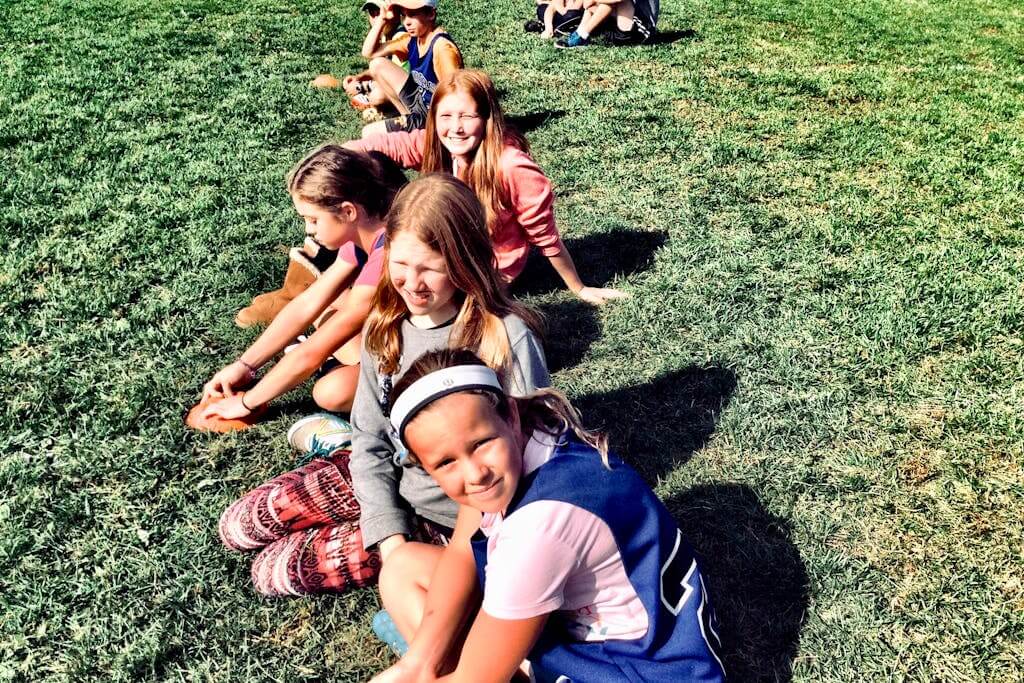
At camp, kids:
Move their bodies through yoga, games, and play
Spend hours outdoors in one of San Francisco’s most beautiful natural spaces
Build real friendships and social skills—no devices required
Learn mindfulness tools that support focus, confidence, and emotional regulation
Instead of scrolling, they’re stretching. Instead of zoning out, they’re tuning in.
It Takes a Village
Experts often say the most powerful (and hardest) advice for parents is to lead by example—put the phone down and stay connected. Camps help make that possible by offering kids a shared, screen-free experience while giving parents breathing room and support.
Reducing screen time doesn’t have to mean constant conflict. Sometimes, it just means changing the environment.
This summer, give your child the gift of movement, nature, and connection. Get off screens—and into camp.🌿🧘♀️ Enrollment is open!
I read as much as I can about health—article after article, study after study. Lately, they’re all starting to sound the same. The good news? The path to better health doesn’t have to be complicated. It starts with a few foundational habits the whole family can practice together.
Here’s Health 101, made simple for kids and grown-ups alike.
💪 Move the Body
Movement tops every list for a reason. Physical activity burns energy! It supports strength, balance, and flexibility.
The best kind of movement? The kind you’ll actually do together. Walking and yoga are simple, accessible ways for the whole family to move, breathe, and reconnect.
🧐 Work the Mind
Mental fitness matters. Mindfulness is a workout for the brain, helping improve focus, attention, and emotional regulation. Brain health includes neuroplasticity—the brain’s ability to adapt and form new connections.
Paying attention is one of the hardest—and most valuable—skills kids can learn. When we strengthen focus, we support learning, resilience, and calm under pressure.
❤️ Open the Heart
Community and connection are essential to well-being. Strong social bonds help us feel supported, seen, and happier overall.
Talking things out can be healthy—venting is cathartic—but balance matters. Keep it brief (think 10–15 minutes) so it doesn’t turn into rumination, which can increase stress and anxiety. Kids express this differently: some dwell, others distract. Both benefit from connection, movement, and mindful tools.
🥦 Eat Well
Simple structure goes a long way. Try starting dinner with a vegetable course while everyone is hungry. Then move on to a lean protein and a whole grain.
Most nights, a small treat is just fine—balance beats perfection. And when in doubt? Dark chocolate has antioxidants and slows aging. That’s a win-win for the grown ups!
😴 Sleep Well
Sleep may be the most underrated health habit of all. Research shows that sleep quality can have an even greater impact on longevity than diet or exercise.
Sleep is when the body repairs, the brain resets, and energy is restored. When sleep is short, stress hormones rise, inflammation increases, and focus and mood suffer.
Women, in particular, often need more sleep and face unique challenges due to hormonal changes, caregiving roles, and the pressure to always be “on.” Chronic exhaustion is common—but it doesn’t have to be normal.
🩺 Prevent and Protect
Preventive health care matters too. Schedule annual visits with your pediatrician and primary care provider, and stay up to date on recommended screenings and vaccinations, including current CDC guidelines.
Health doesn’t happen all at once. It’s built step by step, habit by habit—through movement, mindfulness, connection, nourishment, rest, and care.