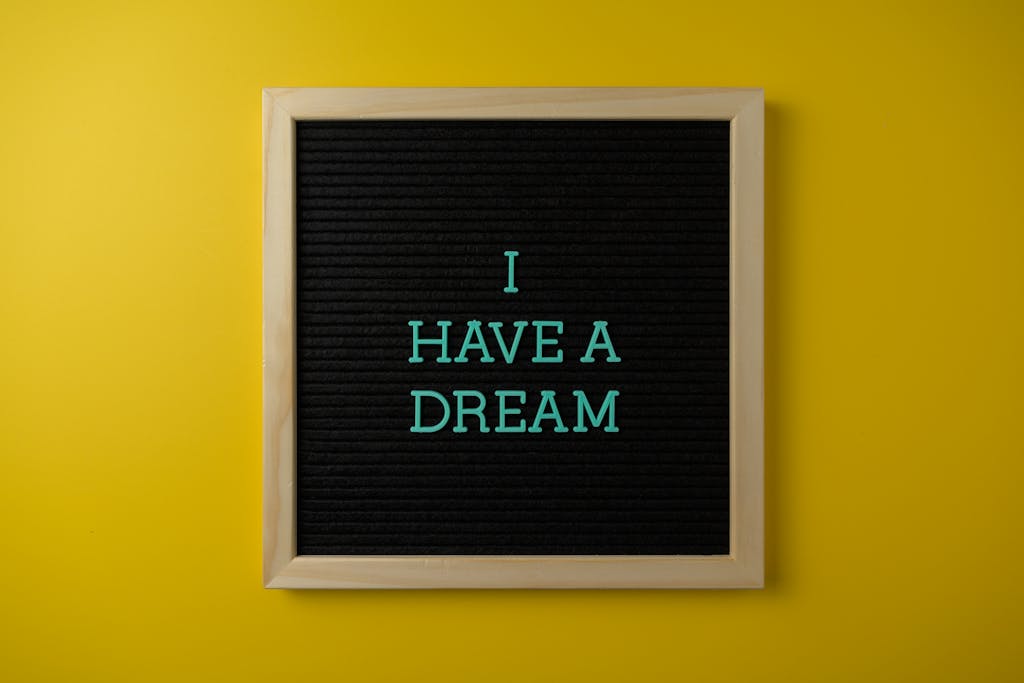
Letters that say I have a dream

MLK Day: “I Have a Dream” - Raising Warriors for Peace


Press PLAY to listen to this post.


On Martin Luther King Jr. Day, we honor a vision rooted in courage, compassion, and collective care. Dr. King’s words, “I have a dream,” continue to remind us that meaningful change begins with values—and with how we raise the next generation.

At It’s Yoga Kids®, our dream is bold and hopeful: to train 10,000 leaders and positively impact 10 million children. We believe this dream is realized one child, one teacher, and one mindful moment at a time.

Our Warrior Training is not about fighting—it’s about standing strong in kindness, confidence, and connection. Yoga gives kids tools to regulate emotions, build resilience, and embody empathy. When children learn how to breathe through challenge, move with purpose, and act with integrity, they become peaceful warriors in their homes, schools, and communities.

Dr. King taught us that leadership is service and that love is a powerful force for change. By training leaders who model these values, we ripple them outward—into classrooms, families, and futures yet imagined.

Today, we recommit to the dream: strong bodies, calm minds, open hearts—and a more peaceful world for all children.

Join our Dream Team with online training or in person this weekend at Crave Yoga in Mountain View, and at Metta Yoga in San Rafael, California. Next up South Beach Miami, Florida.
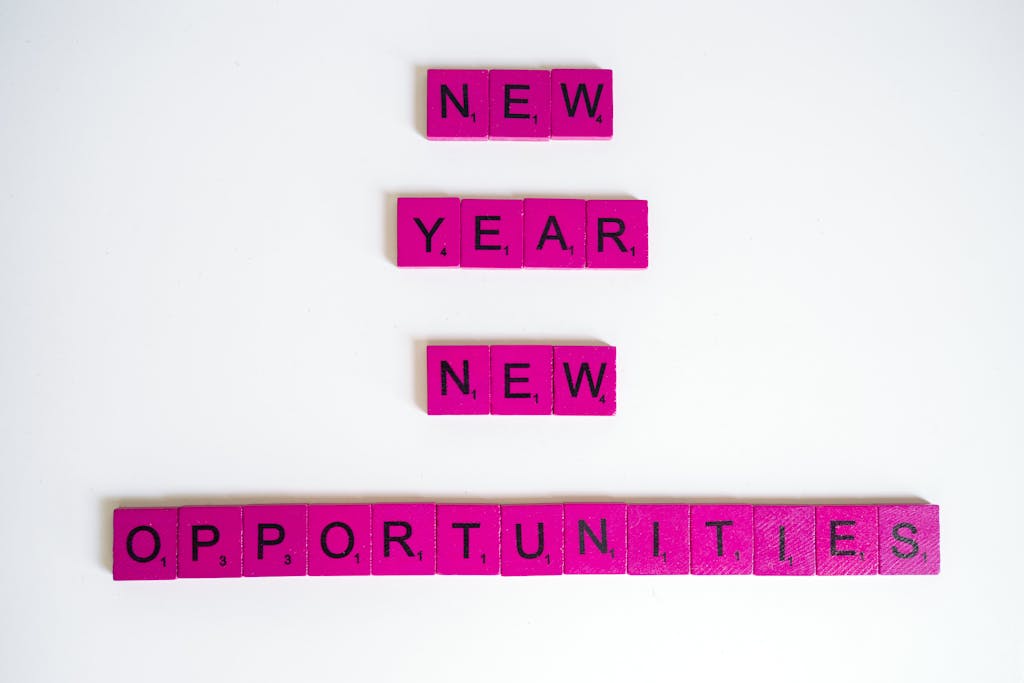
Scrabble letters saying New Year New Opportunities

2 Ways To Set New Years Resolutions With Kids


Press PLAY to listen to this post.


"My calendar's pretty full, but I can squeeze you in between my post-holiday burnout and my midwinter blues.” 

It’s the time of year to think about what we want to change—or keep the same—in the year ahead. It’s also a great conversation to have with kids. Here’s how:

According to this report, the two most popular New Years resolutions for 2026 are:

1. Exercising more

2. Being happy

Good news! Yoga does both. Exercise and happiness go hand in hand for all ages at It’s Yoga Kids®. It’s one of the few things your family can do together that benefits everyone. Let’s break it down to make it achievable for the kids — and you!

What the difference between a resolution, an intention and a goal?

  • A resolution is a firm decision to do something.
  • An intention is an aim that guides action; an objective.
  • A goal is is an intention with action that is measurable.

What to do with the kids to make it real.

  1. Try a theme. A short one-word theme, like “calm”, or make a short mantra. Mine is “Amplify or Goodbye!” This is referring to my intention and S.M.A.R.T. goals to increase my impact being a guest on podcasts, speaking on a larger stage and complete writing my book. If I get off off-track, I can turn to my theme to help me make the best decision in the moment. What’s your theme this year? Write it down.

  2. Try a tiny experiment. A whole year is a long time for kids, make it bite-size. According to this neuroscientist, tiny experiments follow a very simple formula,“I will [do X action] for [Y duration].” A good tiny experiment must be “purposeful, actionable, continuous and trackable.”After the experiment is over, you can decide whether or not you would like to incorporate that action into your daily life.

What do you want?

Do you want to reduce screen time? Do you want to be a Type C parent? Then come to yoga! If you’re Type A (like me) it will do you good too. The IYK® High5 Habits will guide you to a better place in 2026!

My favorite insight learned in yoga is: “Happiness is the actions you take, how you participate, and the connections you make.”

Come to class to learn and play with us or get trained in our proven system.

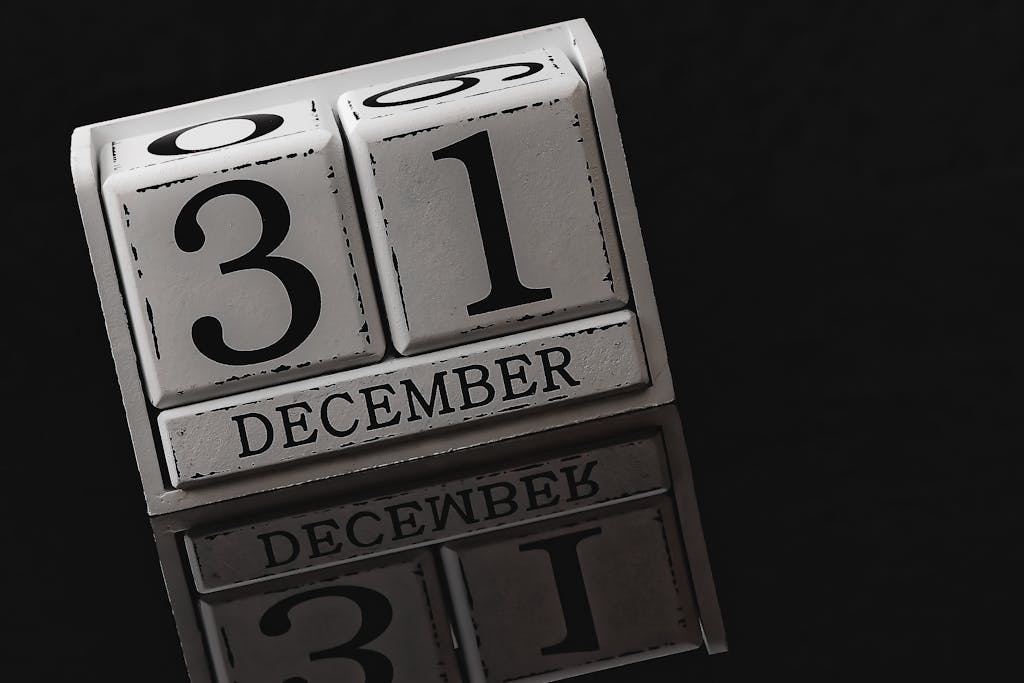
December 31 blocks

End-of-Year Reflections: 3 Questions for Kids and Families


Press PLAY to listen to this post.


As the year winds down, it’s a natural time to pause, reflect, and celebrate the moments that shaped your family’s journey. End-of-year reflections help children—and adults—cultivate gratitude, recognize growth, and set intentions for the year ahead.

Yoga is a perfect companion for this practice. It encourages mindful awareness, emotional regulation, and presence, giving kids the tools to notice what’s meaningful in their lives.


Why Reflecting Matters

Children often move from one activity to the next without pausing to process experiences.

Reflection helps them:

  • Acknowledge accomplishments – from learning a new skill to showing kindness
  • Release challenges or disappointments – letting go of what no longer serves them
  • Build gratitude – appreciating people, moments, and personal growth
  • Set intentions – imagining goals or values for the new year

Reflection is not just about reviewing the past; it’s about creating awareness that informs positive choices in the future.


Family-Friendly Reflection Activities

Here are simple ways families can integrate end-of-year reflection into everyday life:

Sit together and take turns sharing:

  1. One thing you’re grateful for this year
  2. One thing you learned
  3. One hope for the next year


Making Reflection a Mindful Practice

  • Keep it light and playful—reflection should feel like curiosity, not pressure
  • Use breath awareness before sharing thoughts to help everyone settle
  • Encourage listening and appreciation of others’ reflections
  • Celebrate small victories as much as big milestones

End-of-year reflections help kids—and families—close one chapter with intention and begin the next with clarity and excitement. Yoga and mindful practices support this process, fostering gratitude, presence, and emotional balance.

Take a few quiet moments together. Breathe, stretch, and reflect. Celebrate your family’s journey and set intentions for the year ahead—with joy, connection, and mindfulness.

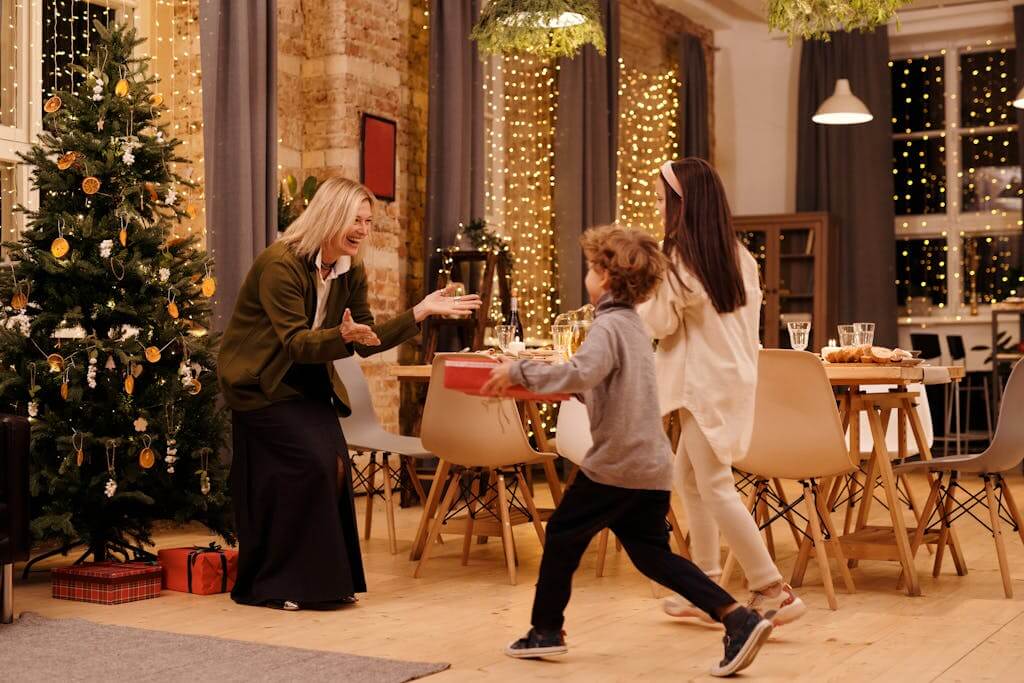
A grandma happy to see her grandkids

Holidays: How to Feel More Calm, Joy, and Connection


Press PLAY to listen to this post.


The holiday season is full of excitement, lights, music, and traditions—but it can also bring stress, overstimulation, and overwhelm, especially for children. Yoga offers a wonderful way to balance the energy of celebration with calm, presence, and joy.

By introducing kids to simple yoga practices during the holidays, families can create space for mindful breathing, movement, and connection. These moments help children regulate emotions, release tension, and engage fully in the magic of the season.


Why Yoga During the Holidays Matters

Kids can feel the pressure of packed schedules, social expectations, and sensory overload.

Yoga gives them tools to:

  • Release excess energy after busy days
  • Calm anxious or overstimulated minds
  • Increase focus during festive activities or gatherings
  • Deepen connection with family members

By practicing together, parents and children can share a rhythm of calm and joy that supports both mental and physical wellbeing.


Integrating Yoga into Holiday Traditions

Yoga doesn’t have to be separate from celebrations—it can enhance them:

  • Before gift-opening: A short breathing exercise can help kids stay present.
  • During holiday meals: Mindful stretches or posture awareness encourages healthy eating habits.
  • Family gatherings: Incorporate a mini yoga break to reset overstimulated children.

Even 5–10 minutes of mindful movement can make a difference in energy, focus, and mood.


The Gift of Presence and Connection

Beyond toys and treats, the best holiday gifts are presence, connection, and mindful joy.

Yoga teaches children that the holidays are not only about excitement—they’re also about slowing down, noticing what matters, and sharing moments of warmth with loved ones.

This season, consider giving kids—and yourself—the gift of calm, mindful movement, and joyful presence. It’s a practice that keeps on giving long after the last ornament is packed away.